What is the average score on the Ramsay test?
The police exam is a multifaceted assessment designed to ensure that only the most capable and prepared individuals join the ranks of law enforcement. By understanding its components and diligently preparing, candidates can increase their chances of success. This journey requires dedication, resilience, and a commitment to public service, but the reward of serving and protecting the community makes it all worthwhile.
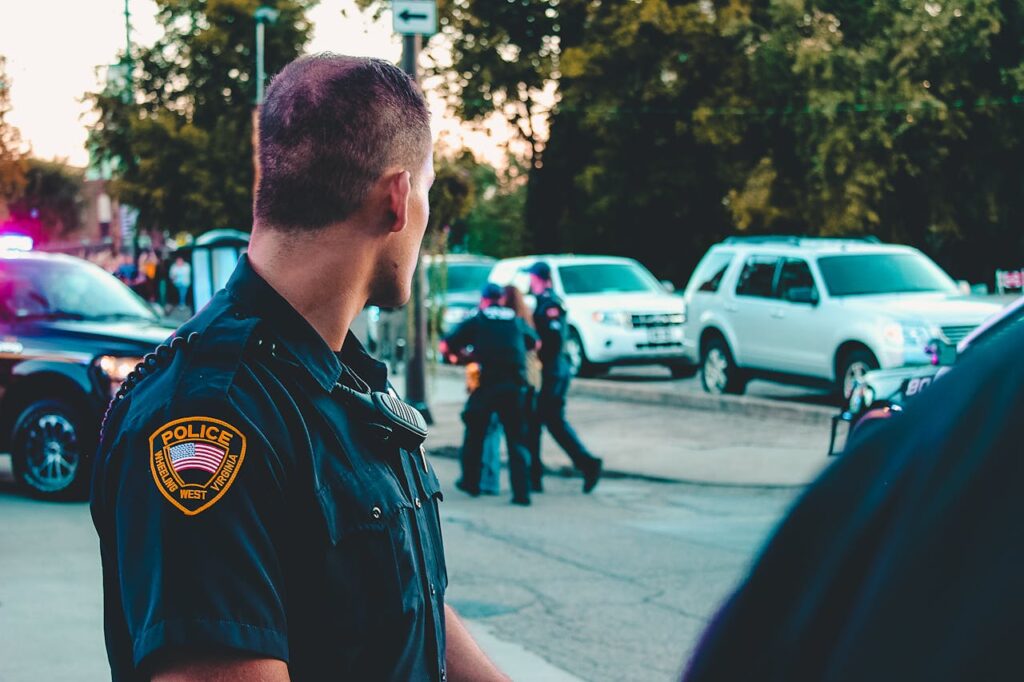
Becoming a police officer is a dream for many individuals who wish to serve and protect their communities. However, the path to donning the uniform is rigorous and demanding, with one of the critical steps being the police exam. This examination is a comprehensive assessment designed to evaluate a candidate’s suitability for a career in law enforcement. It tests various skills and knowledge areas to ensure that potential officers possess the necessary attributes to perform their duties effectively. This article provides an in-depth look at what the police exam entails, its components, and tips for preparation.
The Purpose of the Police Exam
The primary goal of the police exam is to assess a candidate’s aptitude and readiness for the challenges of police work. Law enforcement agencies use this exam to identify individuals who have the cognitive abilities, physical fitness, and character traits required for the job. The exam typically covers a range of areas, including written knowledge, physical agility, psychological stability, and medical fitness.
Components of the Police Exam
Written Examination: The written exam is a crucial component that evaluates a candidate’s knowledge and cognitive abilities. It usually includes multiple-choice questions covering topics such as:
- Reading Comprehension: Understanding and interpreting written information is essential for police officers, as they need to read and understand reports, legal documents, and various forms of communication.
- Mathematics: Basic math skills are necessary for tasks such as accident scene reconstruction, calculating distances, and managing resources.
- Grammar and Writing: Officers must write clear and concise reports. This section assesses spelling, grammar, and writing skills.
- Logical Reasoning: Problem-solving and critical thinking are vital in police work. Questions in this section test a candidate’s ability to analyze situations and make sound decisions.
Physical Agility Test: Physical fitness is crucial for police officers, who often need to chase suspects, engage in physical confrontations, and endure long shifts. The physical agility test assesses a candidate’s strength, endurance, and overall fitness. Typical activities include:
- Running: Timed runs to test cardiovascular endurance.
- Obstacle Course: Navigating various obstacles to simulate real-life scenarios.
- Strength Tests: Exercises like push-ups, sit-ups, and weight lifting to measure physical strength.
Psychological Evaluation: Police work can be mentally and emotionally taxing. The psychological evaluation aims to ensure candidates have the mental resilience and stability required for the job. This may involve:
- Personality Tests: Assessing traits such as honesty, integrity, and reliability.
- Interviews: Conducted by psychologists to evaluate a candidate’s mental health and suitability for high-stress environments.
Medical Examination: Ensuring that candidates are in good health is essential. The medical examination checks for any underlying health issues that could impair a candidate’s ability to perform their duties. This includes:
- Vision and Hearing Tests: Good eyesight and hearing are vital for observing and responding to situations.
- General Health Assessment: Evaluating overall physical health and identifying any medical conditions that might affect job performance.
Preparation Tips for the Police Exam
Study Regularly: Consistent study is key to passing the written exam. Utilize study guides, practice tests, and online resources to familiarize yourself with the types of questions that will be asked.
Stay Physically Active: Begin a fitness regimen well before the exam date. Focus on cardiovascular exercises, strength training, and flexibility to ensure you can meet the physical demands of the agility test.
Practice Writing: Enhance your writing skills by practicing report writing and essay questions. Pay attention to grammar, spelling, and clarity.
Prepare Mentally: Mental preparation is as important as physical readiness. Engage in activities that enhance your critical thinking and problem-solving skills. Consider relaxation techniques to manage stress and anxiety.
Seek Professional Guidance: If possible, join a preparatory course or seek advice from current or former law enforcement officers. Their insights and experiences can provide valuable guidance.
Stay Informed: Keep up-to-date with current events and laws, as these can be relevant to the exam and your future role as a police officer.
Police Test FAQ
1. What is the police test? The police test, often referred to as the police entrance exam, is a series of tests and evaluations used by law enforcement agencies to assess the suitability of candidates for police officer roles. It typically includes written exams, physical fitness tests, psychological evaluations, and oral interviews.
2. What does the written exam cover? The written exam generally covers topics such as:
- Reading comprehension
- Grammar and spelling
- Basic math and arithmetic
- Report writing
- Situational judgment
- Logical reasoning
3. How can I prepare for the written exam? To prepare for the written exam, you can:
- Study practice test materials
- Take online courses or attend workshops
- Review grammar and math fundamentals
- Practice reading comprehension and report writing
- Use study guides and police exam preparation books
4. What is included in the physical fitness test? The physical fitness test often includes:
- Running (timed distances)
- Push-ups and sit-ups
- Obstacle courses
- Agility tests
- Strength and endurance exercises
5. How should I train for the physical fitness test? To train for the physical fitness test:
- Follow a balanced workout routine focusing on cardiovascular fitness, strength, and endurance
- Practice the specific exercises included in the test
- Maintain a healthy diet and stay hydrated
- Get adequate rest and recovery
6. What is the psychological evaluation? The psychological evaluation assesses your mental and emotional suitability for the demands of police work. It may include:
- Personality tests
- Interviews with a psychologist
- Assessments of emotional stability, stress tolerance, and interpersonal skills
7. How can I prepare for the psychological evaluation? Preparation for the psychological evaluation involves:
- Being honest and open during assessments
- Reflecting on your motivations and readiness for police work
- Understanding the responsibilities and challenges of a police officer
8. What happens during the oral interview? The oral interview is conducted by a panel of police officers and department representatives. It typically includes:
- Questions about your background, experiences, and qualifications
- Hypothetical scenarios to assess your problem-solving and decision-making skills
- Questions to evaluate your understanding of police duties and community relations
9. How can I succeed in the oral interview? To succeed in the oral interview:
- Practice answering common interview questions
- Stay calm and composed
- Highlight your relevant experiences and skills
- Demonstrate your knowledge of and commitment to law enforcement
- Show strong communication and interpersonal skills
10. Are there background checks and medical exams? Yes, most police departments conduct thorough background checks and medical exams. These may include:
- Criminal history checks
- Employment and education verification
- Drug tests
- Medical examinations to ensure you are physically fit for duty
11. What should I do if I fail any part of the police test? If you fail any part of the police test:
- Review your results and identify areas for improvement
- Seek feedback and guidance from instructors or mentors
- Prepare thoroughly and retake the test, if permitted
- Consider gaining additional experience or education to strengthen your application
12. How long does the entire process take? The duration of the police testing process varies by department but typically takes several months. This includes application submission, scheduling and taking tests, background checks, and final interviews.
13. Where can I find more information and resources? You can find more information and resources on police department websites, through police academies, and by attending informational sessions or career fairs hosted by law enforcement agencies.
Police Test - Questions, Answers & Tips
The police test assesses candidates on reading comprehension, math, grammar, logical reasoning, physical agility, psychological stability, and medical fitness.
Practice with sample questions to understand the format and types of questions

Police Exam
What is the average score on the Police test? The police exam is a multifaceted assessment designed to ensure that only the

Police SJT
How to prepare for SJT test? The Police Situational Judgement Test is a crucial step in the selection process for aspiring law enforcement officers.

Firefighter Test Practice
The Firefighter written examination is a critical component of the firefighter selection process, designed to assess a candidate’s cognitive

Special Agent Entrance Exam
The Special Agent Entrance Exam is a rigorous and comprehensive assessment designed to identify individuals who possess